VVE Board Guide: Netherlands Notification Regulation for EV Charging Infrastructure (2026)
Fra midten av 2026 vil nederlandske VVE-styrer møte en ny virkelighet: medlemmer kan installere ladepunkter for elbiler gjennom varsling, uten ALV-godkjenning, hvis sikkerhetsstandardene er oppfylt. Det flytter ansvaret direkte over på styret. Uten forberedelse øker kostnadene, risikoen øker og koordineringen forsvinner. Denne veiledningen beskriver hva forskriften betyr, hva Bouwbesluit 2024 krever, og hvordan man beholder kontrollen før den første varslingen kommer.

Hva er den nederlandske varslingsforskriften for lading av elbiler med VVE?
Varslingsforskriften (notificatieregeling) tillater VVE-medlemmer i Nederland å installere ladepunkter for elbiler ved å varsle styret med en arbeidsplan som er i samsvar. Ingen ALV-godkjenning kreves dersom sikkerhetskravene er oppfylt. Forventet implementering: midten av 2026, muligens 1. mai 2026 ifølge Aedes, selv om RVO foreslår slutten av 2026/begynnelsen av 2027. ABN AMRO Verzekeringen indikerte at 1. januar 2026 allerede er trådt i kraft for noen bygningskrav.
Forskriften stammer fra EPBD IV (det europeiske direktivet om bygningers energiytelse). Medlemmer sender inn en melding pluss en arbeidsplan som viser samsvar med sikkerhetskravene. Hvis planen oppfyller tekniske standarder, kan ikke styret nekte installasjon. Dette omgår tradisjonelle ALV-godkjenningsprosesser som kan ta måneder.
Kritisk kontekst for styrer
Uten forberedelser skaper dette ukoordinerte installasjoner, brudd på brannsikkerheten, overbelastning av nettet og betydelig høyere kostnader enn kollektiv infrastruktur. VVE Belang tok opp disse bekymringene under utviklingen av forskriften, og bemerket at styrene mangler teknisk ekspertise til å vurdere arbeidsplaner og står overfor en enorm administrativ byrde uten klare evalueringskriterier.
Hvorfor må VVE-styrer i Nederland forberede seg før varslingsforskriften trer i kraft?
Tre grunner: brannsikkerhetskrav i henhold til Bouwbesluit 2024, begrensninger i strømnettets kapasitet og kostnadskontroll gjennom koordinering.
Fire safety is non-negotiable. Since 1 January 2024, Bouwbesluit explicitly bans Mode 1/2 charging (standard plug sockets) in Dutch parking garages. Required:
- Ladepunkter for modus 3/4 (skikkelige ladere med integrert sikkerhet)
- Sentral nødstoppknapp for alle ladepunkter
- Plantegning som viser alle ladepunktenes plasseringer
- Fullstendig samsvar med NEN1010
Elbilbranner brenner i timevis, i motsetning til minutter for konvensjonelle kjøretøy. Brannen i parkeringshuset Hellevoetsluis i januar 2026 forsterket bekymringene for elbiler. Noen nederlandske brannvesen fraråder betaling av elbiler i parkeringshus, selv om dette er i strid med regulatoriske retningslinjer. Forsikringsselskaper erkjenner høyere brannrisiko og kan kreve ytterligere forebyggende tiltak eller øke premiene.
Nettkapasiteten er vanligvis utilstrekkelig.
Nederlandske parkeringshus mangler ofte elektrisk kapasitet for flere 11 kW-ladere (omtrent 16 A hver) uten dyre oppgraderinger som koster € 10 000–€ 50 000+, avhengig av bygningsstørrelse. Individuelle medlemsinstallasjoner vil ikke vurdere kollektiv kapasitet. Resultat: overbelastning av nettet som krever nødinngrep til høyere kostnader enn planlagt infrastruktur.
Koordinering forhindrer fragmenterte systemer.
Når medlemmer installerer individuelt, blir enhetlig lastbalansering umulig. Du vil ha flere inkompatible ladermerker, ikke noe sentralisert faktureringssystem, inkonsekvent implementering av nødstopp og ingen stordriftsfordeler. Dette scenariet dukker ofte opp i nederlandske VVE Reddit-diskusjoner, med forum som beskriver kaos fra samtidige varslingsforespørsler etter implementering av forskrifter.
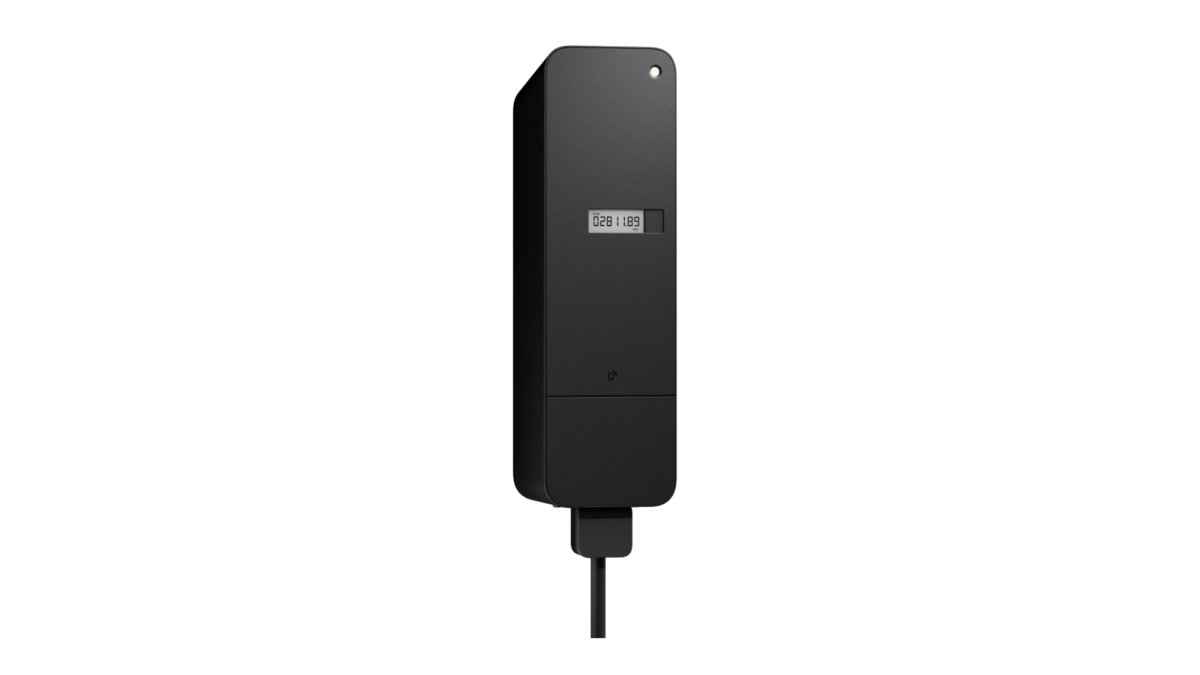
Hva er nederlandske byggeforskrifter for VVE elbillading i 2026?
Bouwbesluit 2024 setter obligatoriske krav til bygninger i Nederland, gjeldende fra 1. januar 2024:
Eksisterende parkeringshus:
- Lading i modus 1/2 (vanlige stikkontakter) er eksplisitt forbudt
- Må bruke ladepunkter i modus 3/4 (riktige ladere)
- Sentral nødstoppknapp kreves for alle ladepunkter
- Plantegning som viser alle ladepunkters plasseringer obligatorisk
- NEN1010-samsvar kreves for alle elektriske installasjoner
Nye bygninger (fra 29. mai 2026):
- Bygninger med 3+ parkeringsplasser må ha minst 1 fungerende ladepunkt
- 50 % av parkeringsplassene må ha forhåndskabling for fremtidige ladere
- De resterende 50 % må ha grunnleggende forsyninger (leidingdoorvoeren) for kabelføring
Store renoveringer:
- Forhåndskabling kreves for alle parkeringsplasser
- Ingen fungerende lader kreves, men infrastrukturen må være installasjonsklar
Disse kravene gjelder uavhengig av varslingsforskriften. VVE-styrer kan ikke godta arbeidsplaner som bryter med Bouwbesluit 2024, selv om medlemmene hevder noe annet. Ansvar faller på VVE dersom ikke-samsvarende installasjoner forårsaker hendelser.
Hvordan vurderer vi nettkapasiteten for lading av elbiler i vårt nederlandske VVE-bygg?
Lei inn en kvalifisert elektriker for en formell vurdering før det tas noen avgjørelser om ladeinfrastruktur. Kostnad: vanligvis €800–€2000, avhengig av bygningens kompleksitet. SVVE-tilskudd dekker 75 % av denne kostnaden (forklart nedenfor).
Nødvendige vurderingsresultater:
- Total tilgjengelig kapasitet i ampere for parkeringshus
- Nåværende grunnlastforbruk fra bygningssystemer
- Maksimal samtidig ladekapasitet uten nettoppgraderinger
- Kostnadsestimater for kapasitetsutvidelse ved behov
- Krav og kostnader for lastbalanseringssystem
- Om dynamisk lasthåndtering kan utsette oppgraderinger av infrastruktur
Typiske funn i Nederland:
VVE med 50 parkeringsplasser kan ha 150 A tilgjengelig. Enkelt 11 kW lader trekker omtrent 16 A. Uten lastbalansering: 8–9 samtidige ladere mulig. Med dynamisk lastbalansering: potensielt 15–20 ladere, da samtidig lading med maksimal effekt sjelden forekommer.
Lastbalanseringssystemer overvåker strømforbruket i sanntid og fordeler dynamisk tilgjengelig kapasitet mellom ladere. Moderne systemer kan operere fra så lavt som 6A, noe som gjør dem levedyktige selv i bygninger med sterkt begrenset nettkapasitet. Når grunnlasten i bygninger øker (heiser, belysning, ventilasjon), reduseres ladeeffekten automatisk for å forhindre overbelastning. Dette forsinker eller eliminerer dyre nettoppgraderinger.
Ikke estimer kapasiteten. Ikke godta leverandørkrav uten bekreftelse. Få uavhengig vurdering fra en elektriker som ikke er tilknyttet leverandører av faktureringsutstyr.
Hvilke infrastrukturtilnærminger finnes for VVE-lading av elbiler i Nederland?
To fundamentalt forskjellige modeller med forskjellige risikoprofiler:
Modell 1: Proprietært økosystem (én leverandør)
- Én produsent leverer maskinvare, skyplattform, faktureringssystem, support
- Alt fungerer sømløst sammen i leverandørens lukkede økosystem
- Hvis leverandøren hever prisene, kan du ikke bytte uten å erstatte all maskinvare
- Hvis selgeren går konkurs, slutter hele systemet å fungere
- Kostnad for utskifting av maskinvare: € 2 000–€ 3 000 per enhet for å bytte leverandør
Dette scenariet oppsto flere ganger i det nederlandske lademarkedet i perioden 2022–2025. Flere leverandører gikk konkurs eller trakk seg, noe som etterlot VVE-er med ikke-fungerende infrastruktur. Eksempler er dokumentert i bransjepublikasjoner og diskusjoner i VVE-fellesskapet.
Modell 2: Åpen protokolltilnærming med CPO
- CPO (Charge Point Operator) håndterer fakturering, refusjon, tilgangskontroll og medlemskap support
- Lokal* OCPP-kompatibel maskinvare fra alle produsenter fungerer med alle CPO-er
- Valg av maskinvare uavhengig av driftsstyring
- Hvis maskinvareleverandøren svikter, fortsetter laderne å fungere
- Hvis CPO-tjenesten ikke er tilfredsstillende, bytt leverandør uten å erstatte maskinvare
*Some hardware claims to be OCPP, but it’s still routed through its own proprietary cloud environment, resulting in same situation as model 1.
Most Dutch VVEs use the CPO model because it separates billing/reimbursement administration (which VVE boards lack time for) from hardware infrastructure (which needs reliability). The CPO charges €5-€10 per charger per month regardless of hardware brand, handling all member reimbursement calculations and electricity cost allocation.
Kostnadssammenligning (realistisk VVE-scenario)
Proprietær modell:
- Startkostnad for maskinvare: €1500–€1800 per lader
- CPO/administrasjonsgebyr: Inkludert eller €8–€12 per måned
- Kostnad for leverandørsvikt: 2 000–3 000 euro per enhetserstatning
- Kostnad for bytte av CPO: € 2 000–€ 3 000 per enhetserstatning
- 10-årskostnad (20 ladere): €30 000–€36 000 + €19 200–€28 800 administrasjon + risiko for katastrofal feil = €49 200–€64 800 + risiko for erstatning
Åpen protokoll + CPO:
- Opprinnelig maskinvarekostnad: €1 050–€1 400 per lader (20–30 % mindre)
- CPO/administrasjonsgebyr: €5–€10 per måned per lader
- Kostnad for leverandørfeil: €0 (fortsett med eksisterende maskinvare)
- Kostnad for bytte av CPO: €0–€150 per enhet (konfigurasjon)
- 10-årskostnad (20 ladere): €21 000–€28 000 + €12 000–€24 000 administrasjon = €33 000–€52 000 ingen erstatningsrisiko
The open protocol approach typically costs €16,000-€13,000 less over 10 years whilst eliminating catastrophic failure risk. The hardware savings (20-30% cheaper) combined with competitive CPO pricing more than offsets any perceived convenience of single-vendor solutions.
For VVE boards (volunteers without technical expertise), the CPO model eliminates both technical management burden and single-vendor dependency risk.
What is OCPP and why does it matter for Dutch VVE EV charging?
OCPP (Open Charge Point Protocol) is an open communication standard allowing any charger to work with any CPO, similar to how USB allows any device to connect to any computer. Developed by Open Charge Alliance, maintained as industry standard.
To OCPP-implementeringer:
- Cloud-based OCPP: Charger connects to CPO via internet connection
- Local OCPP (OCPP native): Charger includes local controller, continues functioning if internet fails
Why local OCPP matters for VVEs:
- Load balancing continues during internet outages (prevents grid overload even when connection drops)
- Emergency stop functionality remains operational (fire safety requirement under Bouwbesluit)
- Billing data stored locally until connection restored (no member disputes over missing data)
- Access control continues working (prevents unauthorised usage during network issues)
For Dutch VVEs, local OCPP provides resilience that cloud-dependent systems cannot match. When a CPO’s servers experience downtime or your building’s internet fails, chargers with local controllers continue managing load balancing and safety functions autonomously. This matters particularly for fire safety compliance, as emergency stop systems must remain operational regardless of network status.
Important qualification: Not all OCPP implementations are equal. Some manufacturers implement OCPP but limit functionality when used with third-party CPOs. This creates “soft lock-in” where the charger technically supports OCPP but critical features only work with the manufacturer’s own platform.
Before purchasing OCPP-compliant hardware, verify:
- Full load balancing functionality with any OCPP 1.6J or 2.0.1 compliant CPO
- Smart charging capabilities work independently of manufacturer’s platform
- OTA (over-the-air) updates delivered via OCPP, not manufacturer-specific protocol
- Emergency stop integration works via OCPP commands
- Solar integration (if relevant) operates through standard OCPP, not proprietary API
Chargers with genuine local OCPP capability can receive firmware updates, manage load balancing, and integrate with building systems entirely through the open protocol. This prevents situations where you’re technically using an “open” standard but practically locked into one vendor’s ecosystem through feature restrictions.
What is MID certification and why is it legally required for Dutch VVE EV charging?
MID (Measuring Instruments Directive) certification ensures charging meters meet EU accuracy standards for commercial billing. Under Dutch (EU) law, you cannot legally bill VVE members for electricity consumption based on non-MID-certified measurements.
Legal requirement: Any electricity metering used for billing purposes in the Netherlands must be MID-certified. This applies to VVE charging infrastructure where members pay for electricity consumed. Non-MID measurements are indicative only, not legally valid for invoicing.
MID marking: Certified chargers display “M” symbol followed by year of certification (e.g., “M23” for 2023 certification). Check charger specifications or physical device before purchase. Some manufacturers integrate MID certification as standard across their product range, eliminating the risk of accidentally purchasing non-compliant hardware.
ERE eligibility: From January 2026, homeowners and businesses in the Netherlands can earn Emission Reduction Units (EREs) by selling certificates representing verified renewable electricity used for EV charging. Requirements:
- MID-certified charger (measurement accuracy required)
- Meter ownership determines who claims EREs
- In VVE buildings, if electricity meter owned by VVE, only VVE can claim EREs as business entity
ERE income potential: €50-€150 annual income per charger depending on market prices and charging volume. For VVE with 20 chargers: potentially €1,000-€3,000 annual revenue. This requires proper administrative setup, registration with ERE service provider, and consistent data reporting. Many CPOs offer ERE management as part of their service, handling registration and reporting automatically.
Critical for VVEs: Verify meter ownership before infrastructure decisions. In many Dutch VVE parking garages, electricity meters are collectively owned. This means individual members cannot claim ERE income even with MID-certified chargers, but VVE as business entity can, creating collective revenue opportunity that offsets CPO management fees partially.
Hvilke subsidier finnes det for VVE elbilladeinfrastruktur i Nederland i 2026?
SVVE subsidy (Stimuleringsregeling VVE Verduurzaming):
- VVEs can receive up to 75% reimbursement for professional advice on charging infrastructure
- Maximum €10,000 reimbursement per advice project
- Covers grid capacity assessments, technical planning, policy development
- Available now (budget subject to availability)
- Apply through RVO (Rijksdienst voor Ondernemend Nederland)
ERE program (Emission Reduction Units):
- Not a subsidy, but ongoing revenue opportunity
- VVEs with MID-certified chargers and VVE-owned meters can earn €50-€150 per charger annually
- Requires registration with ERE service provider
- Charger must have MID certification and proper data reporting
- VVE as business entity claims EREs, not individual members
- Many CPOs integrate ERE management into their service, automating this process
No direct homeowner subsidies: In 2025-2026, no direct financial support exists for individual Dutch homeowners installing private charging points in VVE buildings. The MIA tax deduction (€209M annual budget 2025) applies only to business investments.
Insurance considerations: Some Dutch insurers offer premium reductions for VVEs implementing comprehensive fire safety measures beyond minimum requirements. This isn’t a subsidy but can offset infrastructure costs over time.
SVVE subsidy alone justifies professional assessment rather than making infrastructure decisions without expert input. Spending €1,500 on assessment to receive €1,125 subsidy reimbursement provides proper technical foundation at €375 net cost.
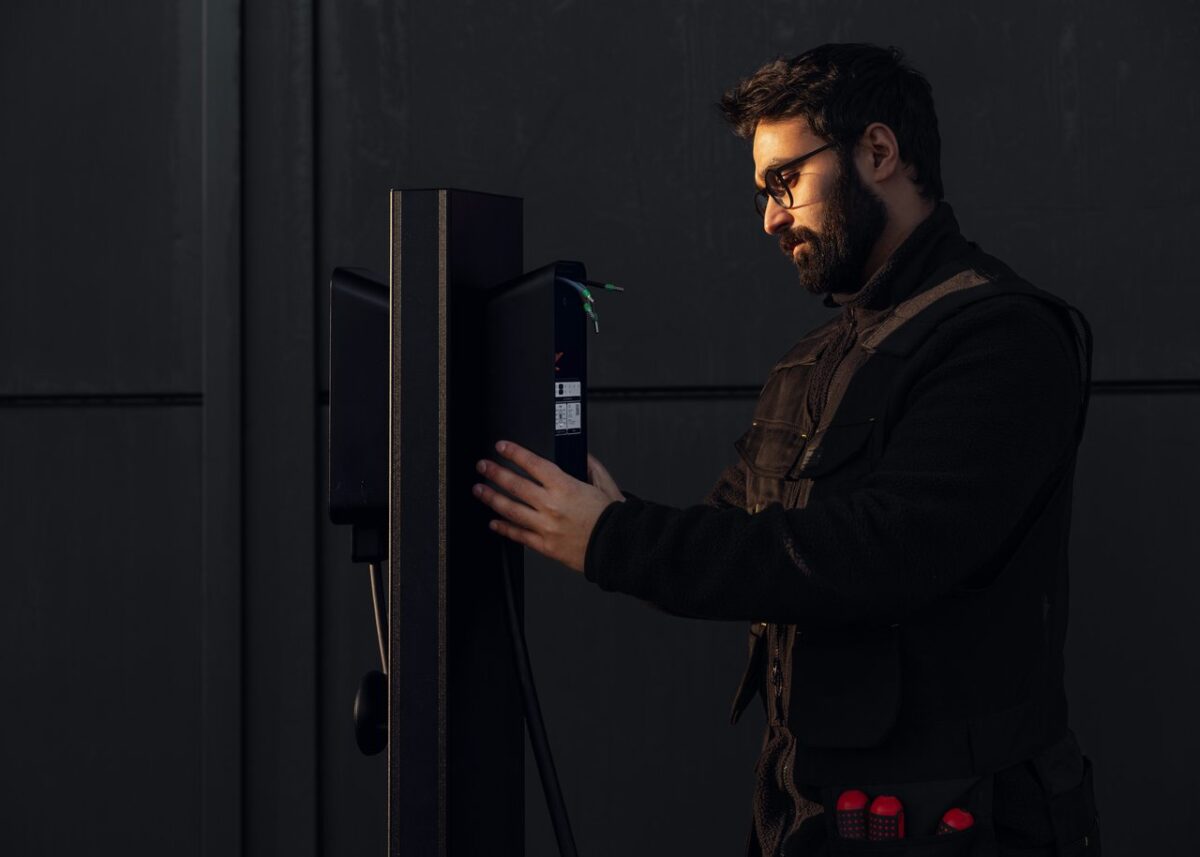
Hvilke tekniske funksjoner bør VVE-kort prioritere når de velger lademaskinvare?
Beyond OCPP compliance and MID certification (both legally essential), several technical features significantly affect long-term VVE satisfaction:
Local load balancing capability: The ability to manage power distribution locally within the charger itself, rather than depending entirely on cloud servers. This ensures load balancing continues functioning during internet outages. Systems capable of operating from 6A minimum allow VVEs with limited grid capacity to support more charging points without expensive electrical upgrades.
Solar integration readiness: For VVEs considering or already operating solar installations, chargers that can prioritise solar-generated electricity reduce grid dependence and lower operating costs. This integration should work through standard OCPP protocols, not proprietary APIs requiring specific inverter brands.
White-label flexibility: Some charging hardware supports complete branding customisation, allowing VVEs to present unified building identity rather than displaying manufacturer logos. This seems minor but matters for building aesthetics and creates professional appearance.
OTA updates via OCPP: Firmware updates delivered through the open protocol rather than manufacturer-specific connections ensure chargers remain current regardless of vendor’s ongoing business status. If a manufacturer withdraws from the Dutch market, chargers receiving updates via OCPP continue benefiting from security patches and feature improvements through the CPO.
Quality manufacturing standards: Chargers manufactured in countries with stringent quality controls (Scandinavian production, German engineering) typically demonstrate higher reliability than those from regions with less rigorous standards. For VVE boards, reliability matters more than features. A cheaper charger requiring frequent service calls creates more administrative burden than slightly more expensive hardware that operates trouble-free for years.
Compact installation requirements: Parking spaces in Dutch VVEs are often tight. Chargers with minimal protrusion and flexible mounting options (wall, pedestal, column-mounted) accommodate varied parking garage configurations. Some designs allow cable management that prevents trip hazards whilst keeping cables accessible.
The intersection of these features creates “future-proof” infrastructure that adapts as VVE needs evolve, regulatory requirements change, and new technologies emerge (like V2G or smart grid integration). Choosing hardware solely on initialprice without considering these factors often leads to replacement needs within 5-7 years.
Hva bør VVE-styrene gjøre nå for å forberede seg på varslingsforskriften?
Umiddelbare tiltak (før forskriften trer i kraft medio 2026):
- Commission grid capacity assessment through independent electrician (€800-€2,000, 75% SVVE subsidy available). Obtain written report showing available capacity, upgrade costs, load balancing requirements. Specifically request analysis of whether load balancing from 6A minimum could defer grid upgrades.
- Develop VVE charging policy covering technical standards (OCPP compliance with verified third-party CPO compatibility, MID certification as mandatory, emergency stop integration, local load balancing capability), installation approval process, cost allocation between individual owners and collective VVE funds, safety protocols and insurance requirements, maintenance responsibilities, CPO selection criteria.
- Update huishoudelijk reglement to include EV charging provisions. Specify which infrastructure costs are collective responsibility versus individual member expense. Define notification requirements beyond minimum legal standard. Include provisions for CPO selection and member reimbursement processes.
- Research CPO options for Dutch market. Compare pricing (typically €5-€10 per charger monthly), services included (billing, reimbursement calculation, member support, ERE management), OCPP certification and hardware compatibility, customer references from other VVEs, contract terms and switching flexibility. Select CPO before hardware decisions, as this determines which technical features matter most.
- Inform all members about upcoming regulation via newsletter or general communication. Explain VVE’s coordinated approach, why individual installations create problems, timeline for infrastructure preparation, and estimated costs. Be transparent about hardware options (members should understand open protocol benefits, not feel forced into specific brand).
- Consult your insurer about fire safety requirements for EV charging. Ask whether charging infrastructure affects premiums, what additional safety measures might reduce costs, whether they require specific technical standards beyond Bouwbesluit 2024, and if emergency stop systems with local operation (not cloud-dependent) provide premium advantages.
Etter at forskriften trer i kraft:
When notification requests arrive, having infrastructure and policy ready means efficient accommodation. Without preparation, each request becomes administrative burden and potential member conflict source.
Budget allocation guidance: For VVE with 50 parking spaces expecting 15-20 eventual charging points:
- Initial assessment and planning: €1,500-€3,000 (75% SVVE subsidy = €375-€750 net cost)
- Shared infrastructure (load balancing system, emergency stop, floor plan): €5,000-€15,000
- Individual charger hardware: €1,050-€1,400 each (member responsibility typically)
- CPO management: €5-€10 per charger monthly (member responsibility via reimbursement)
- Potential grid upgrade if needed: €10,000-€50,000+ (collective responsibility typically)
Exact cost allocation depends on splitsingsakte and ALV decisions. Some VVEs make load balancing infrastructure collective cost (benefits all members) whilst individual hardware remains member expense. Others split costs proportionally based on parking space ownership.
Hva skjer hvis VVE-styret vårt ikke gjør noe før varslingsforskriften?
Several Dutch VVEs are taking “wait and see” approach. Documented consequences from early regulation implementation and similar scenarios:
Scenario: Members install chargers individually under notification regulation without coordinated VVE infrastructure.
Result:
- Five different charger brands with incompatible management systems (no unified billing possible)
- No centralised load balancing (grid overload risk, expensive emergency upgrades required)
- Billing disputes over electricity costs (no consistent allocation method, manual meter readings)
- Fire safety compliance questions (inconsistent emergency stop implementation, liability concerns)
- Insurance complications (insurer wants unified safety system, may increase premiums or deny claims)
- Higher total costs (no economies of scale, reactive problem-solving, emergency service charges)
Dokumentert eksempel fra diverse VVE-forumdiskusjoner:
One board received eight notification requests within two weeks after members learned about regulation. No infrastructure, no policy, no technical capacity to evaluate work plans. Board called emergency ALV meetings, hired consultants reactively at €8,000 cost (no subsidy applied as assessment done under time pressure), discovered grid capacity supported only six chargers maximum without €35,000 upgrade. Members who’d already begun installations demanded VVE pay upgrade costs. Disputes escalated to legal mediation.
Another example: VVE allowed individual installations without coordination. First five members installed different charger brands (Alfen, Wallbox, Easee, Tesla, generic Chinese model). Each required separate billing system or manual reimbursement calculation. When sixth member attempted installation, grid overload occurred, tripping main circuit breaker for entire parking garage overnight. Emergency electrician callout: €2,500. Grid upgrade required: €28,000. Members blamed board for lack of coordination. Two members with cheaper Chinese chargers discovered devices weren’t MID-certified after installation, meaning VVE couldn’t legally bill them for electricity, requiring hardware replacement at member expense.
Fire safety example: VVE with 12 individual installations, no unified emergency stop. Fire inspection during building certification renewal noted non-compliance with Bouwbesluit 2024 emergency stop requirements. Inspector issued correction order with 90-day compliance deadline. Retrofitting emergency stop system across 12 incompatible chargers: €6,500. Two chargers couldn’t integrate with emergency stop solution (proprietary cloud systems incompatible with local control), required complete replacement: €4,000. Total unplanned cost: €10,500 that could have been avoided with coordinated infrastructure.
These scenarios are preventable through proactive planning costing significantly less than reactive problem-solving.
Hvor kan VVE-styrer få hjelp med klargjøring av ladeinfrastruktur for elbiler?
CPO-leverandører
Major Dutch Charge Point Operators (Alva Charging, Q-charge, others) offer free consultation on infrastructure requirements. They’re incentivised to help you establish infrastructure (future customers) but don’t lock you into hardware decisions. Many provide detailed cost modelling and can connect you with VVEs already using their services.
VVE Belang
Dutch VVE interest organisation that actively lobbied on notification regulation development. Provides policy guidance, connects boards with other VVEs managing similar challenges, offers template documents for huishoudelijkreglement updates and member communication. Regularly publishes updates on regulation implementation timeline.
RVO (Rijksdienst voor Ondernemend Nederland)
Government agency managing SVVE subsidy applications. Website provides information on subsidy eligibility, application process, and approved consultant lists. Note: RVO indicated work plan requirements would be clarified “after summer 2025” but as of February 2026, specific criteria remain undefined.
Uavhengige konsulenter
Several Dutch firms specialise in VVE energy infrastructure (EV charging, solar, heat pumps). SVVE subsidy covers 75% of consultation costs. Verify consultant is independent (not tied to specific hardware vendors or receiving commissions) before engagement. Request examples of VVE policies they’ve developed and references from boards they’ve advised.
Faglige foreninger
Nederlandse Vereniging van Makelaars (NVM) and Vereniging van Beheerders van Vastgoed (VvB) offer resources for VVE boards managing infrastructure transitions. Some local VVE beheerders provide charging infrastructure consultation as part of management services, particularly helpful for understanding how charging policies integrate with existing building regulations.
Elektrikere og installatører
Choose electricians with VVE experience and specific EV charging knowledge. Request proof of NEN1010 compliance expertise and Bouwbesluit 2024 familiarity. Verify whether they maintain independence from hardware vendors or receive commissions for specific brand recommendations. Best practice: separate grid assessment (independent electrician) from installation quotes (may come from vendor-affiliated installers).
The notification regulation is arriving mid-2026. The question isn’t whether to prepare but whether to prepare proactively (controlled costs, coordinated approach, member satisfaction, lower insurance premiums) or reactively (chaos, disputes, higher costs, potential liability, emergency ALV meetings). Board members serve voluntarily, but inadequate preparation creates problems consuming enormous board time fixing what could have been prevented for less money with better outcomes.
Viktige ressurser:
- VVE Laadloket: vveladen.nl (comprehensive VVE charging guidance, CPO comparison)
- SVVE subsidy information: rvo.nl (75% reimbursement for advice costs, up to €10,000)
- Bouwbesluit 2024 requirements: rijksoverheid.nl (legal fire safety standards, emergency stop requirements)
- ERE program details: https://www.alva-charging.nl/ere/
(explains mechanism clearly, commercial source)
- VVE Belang: vvebelang.nl (VVE advocacy organisation, policy templates)
Relatert innhold